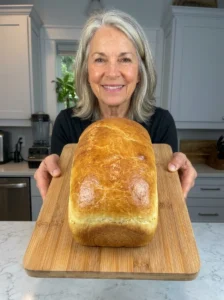
The warm, sweet aroma of freshly baked bread wafts through your kitchen, teasing your senses and wrapping you in a blanket of nostalgia. As the golden crust crackles ever so slightly under your fingers, you can already feel the anticipation bubbling up within you. There’s nothing quite like sinking your teeth into homemade bread, the kind that doesn’t just fill your stomach but brings comfort and warmth into your soul. Each bite delivers a harmonious blend of flavors, evoking memories of artisanal bakeries and cherished family dinners.
Picture the tender, pillowy interior that springs back when you press it and the crust that crumbles perfectly—it’s sheer bliss. Now, imagine slathering a generous pat of butter on a slice as it melts, soaking into the warm bread. Your eyes close for a moment as you relish the creamy richness and the delectable taste enveloping your palate. This inviting experience is just the beginning. Homemade bread has an element that city bakeries simply cannot replicate: love-infused perfection.
Why You’ll Love This Homemade Bread
There’s an irresistible charm to homemade bread that elevates the simple act of sharing a meal into a celebration. The benefits of baking your own are abundant; not only do you embrace a satisfying culinary journey, but you also create a health-conscious alternative that’s free from preservatives. Bread baked in your own kitchen brings a sense of accomplishment, making it perfect for every occasion—think cozy weekends, festive gatherings, or a simple weeknight dinner with loved ones.
The taste of fresh bread is unparalleled. Each loaf bursts with aroma, offering a warm hug that welcomes all who enter your home. The texture will captivate your guests—crusty on the outside, airy and chewy on the inside, it’s a joy to savor. Plus, the versatile flavors allow you to incorporate herbs, nuts, or seeds, making each loaf uniquely yours. You’ll want to share it with family and friends—there’s nothing more nourishing than homemade bread.
Preparation Phase & Tools to Use
Before diving headfirst into this delightful adventure of bread-making, you’ll need some essential tools to help you along the way:
- Mixing Bowls: Opt for glass or stainless steel for a durable and easy-to-clean option. These heavyweight bowls withstand mixing and kneading without wobbling.
- Measuring Cups and Spoons: Accurate measurements ensure consistency in your recipe. Investing in a good set takes the guesswork out of baking.
- Stand Mixer (optional): A stand mixer equipped with a dough hook can save time and effort, but if you prefer a workout, kneading by hand builds character!
- Baking Stone or Sheet: This helps create that enviably crunchy crust. Alternatively, a cast-iron skillet works wonders.
- Kitchen Towel: Keep your dough warm and happy as it rises and rests.
Preparation tips make all the difference. Always measure out your ingredients before starting to avoid any kitchen chaos mid-bake. Ensure your yeast is fresh and activate it properly to yield a fluffy loaf. Keep your workspace tidy and organized, and let the smell of freshly baked bread fill your home.
Ingredients for Homemade Bread
This recipe for homemade bread shines due to its simple yet effective ingredient list. Here’s what you need:
- Flour: All-purpose flour works beautifully, but you can substitute bread flour for extra chewiness.
- Yeast: Active dry yeast or instant yeast will work wonders to create that light texture.
- Water: Use warm water to activate your yeast. Ideally, it should be around 110°F.
- Salt: Sea salt enhances flavor and strengthens the dough.
- Sugar: A touch of sugar feeds the yeast and adds dimension to the flavor. Honey can be a delightful substitute.
- Olive Oil or Butter: This adds richness and moisture to your loaf, making it tender.
How to Make Homemade Bread
Making bread at home is a gratifying experience waiting to unfold in your kitchen. Follow these easy steps to achieve that homemade magic:
-
Activate the Yeast:
- In a small bowl, combine 1 packet of yeast, 1 tablespoon of sugar, and 2 cups of warm water. Let it sit for about 5 minutes until frothy.
-
Combine Dry Ingredients:
- In a large mixing bowl, whisk together 4 cups of flour and 1 tablespoon of salt.
-
Incorporate Yeasts Mixture:
- Pour the activated yeast mixture into the dry ingredients, adding 2 tablespoons of olive oil or melted butter as you stir to combine.
-
Knead the Dough:
- Transfer the dough onto a floured surface and knead for about 10 minutes until it feels smooth and elastic. If you’re using a stand mixer with a dough hook, knead for 5-7 minutes on medium speed.
-
First Rise:
- Place the kneaded dough in a lightly greased bowl, cover it with a kitchen towel, and let it rise in a warm area for about 1-2 hours, or until it doubles in size.
-
Shape the Loaf:
- Gently punch down the dough and shape it into a loaf. Place it into a greased loaf pan, cover, and let it rise again for about 30 minutes.
-
Preheat and Bake:
- Preheat your oven to 375°F (190°C). Once ready, bake the loaf for 30-35 minutes until golden brown and the crust sounds hollow when tapped.
-
Cool Down:
- Allow the bread to cool in the pan for about 10 minutes before transferring it to a wire rack. Let it cool completely before slicing.
Chef’s Notes & Helpful Tips
- Make-ahead Tip: Prep the dough the night before and let it rise slowly in the fridge. It develops a deeper flavor and can be baked fresh in the morning.
- Cooking Alternatives: You may adjust baking times and temperatures if using an air fryer. Generally, set your air fryer to about 325°F and check after 20-25 minutes.
- Customization Ideas: Experiment with adding herbs like rosemary or thyme, or mix in nuts and seeds for added crunch.
Common Mistakes to Avoid
Baking bread can seem daunting, but avoiding these pitfalls can significantly elevate your results:
- Incorrect Yeast Temperature: If your water is too hot, it can kill the yeast, and if it’s too cold, it will not activate. Always feel it to ensure it’s just warm, like a cozy bath.
- Not Kneading Enough: Proper kneading builds gluten, which gives the bread structure. If your dough feels sticky, don’t hesitate to add a splash of flour, but avoid overdoing it.
- Skipping the Second Rise: This crucial step ensures a light, airy loaf. Don’t rush it—good things come to those who wait!
What to Serve With Homemade Bread
The possibilities are endless when it comes to serving this delicious bread. Consider these delightful pairings:
- Olive Oil and Balsamic Vinegar: Dip warm slices in this duo for an elegant starter.
- Homemade Tomato Soup: Nothing says comfort like the rich flavors of classic tomato soup paired with fresh bread.
- Cheese and Charcuterie Board: This bread serves perfectly as a crusty base for gourmet cheeses and cured meats.
- Avocado Toast: Top with smashed avocado, a sprinkle of salt, and a dash of chili flakes for a trendy yet satisfying breakfast.
- Savory Garlic Butter: Slather on some garlic butter for a side that transforms every meal into a celebration.
- Herb Pesto: Elevate your sandwiches by using this herbaceous spread as a delicious alternative.
- Artisan Jams: Spread your favorite fruit jam on warm slices for a sweet finish to your meal.
Storage & Reheating Instructions
To keep your homemade bread as fresh as a bakery treat, follow these storage tips:
- Fridge: For short-term storage, wrap the bread tightly in plastic wrap or aluminum foil. It can remain fresh for about a week.
- Freezer: Wrap the loaf tightly in plastic wrap, then in aluminum foil. This will keep it for up to 3 months. Thaw at room temperature or pop it in the oven for a quick reheating job.
- Reheating: For best results, slice it before freezing, thaw slices in the microwave, and pop them in a toaster or warm oven for that fresh-from-the-oven taste.
Estimated Nutrition Information
While specifics may vary depending on ingredients, here’s a rough estimate for each slice of homemade bread:
- Calories: 120
- Fat: 3g
- Carbohydrates: 22g
- Fiber: 1g
- Protein: 4g
Disclaimer: Nutritional values may vary based on the brand of ingredients used and specific recipe variations.
FAQs
1. Can I use whole wheat flour instead of all-purpose flour?
Absolutely! Whole wheat flour brings a nutty flavor and denser texture. You may want to combine it with a portion of all-purpose flour to ensure good rise and softness.
2. Why is my bread dough not rising?
There could be several reasons. Ensure your yeast is fresh and that your water wasn’t too hot or too cold. Also, consider the ambient temperature; dough rises better in warmer spaces.
3. Can I add extras like nuts or dried fruits to my bread?
Yes! Fold in chopped nuts, seeds, or dried fruits after the first rise for delightful flavor and texture. Just be cautious not to add too much to keep the bread structure intact.
4. How do I know when my bread is done baking?
Bread is ready when it is golden brown and sounds hollow when tapped on the bottom. You can also use an instant-read thermometer; the internal temperature should reach around 190°F (88°C).
5. Can I make this bread vegan?
You can easily make it vegan by using plant-based butter or olive oil instead of regular butter and substituting honey with maple syrup or agave.
Conclusion
Baking your own bread at home is more than just a recipe; it’s an experience filled with aromas, flavors, and memories. With each adventure into your kitchen, you will discover the joy of kneading dough, watching it rise, and sharing the fruits of your labor with those you love. The satisfaction of creating something so delightful from just a handful of simple ingredients will bring warmth to your heart and home. So roll up your sleeves and gather your ingredients; a world of scrumptious homemade bread awaits you!
Print
Homemade Bread
- Total Time: 50 minutes
- Yield: 1 loaf 1x
- Diet: Vegetarian
Description
Experience the joy of homemade bread with this simple and satisfying recipe that delivers a crusty exterior and a soft, fluffy interior.
Ingredients
- 4 cups All-purpose flour
- 1 packet Active dry yeast
- 2 cups Warm water (around 110°F)
- 1 tablespoon Sea salt
- 1 tablespoon Sugar
- 2 tablespoons Olive oil or melted butter
Instructions
- Activate the yeast: In a small bowl, combine 1 packet of yeast, 1 tablespoon of sugar, and 2 cups of warm water. Let it sit for about 5 minutes until frothy.
- Combine dry ingredients: In a large mixing bowl, whisk together 4 cups of flour and 1 tablespoon of salt.
- Incorporate yeast mixture: Pour the activated yeast mixture into the dry ingredients, adding 2 tablespoons of olive oil or melted butter as you stir to combine.
- Knead the dough: Transfer the dough onto a floured surface and knead for about 10 minutes until smooth and elastic.
- First rise: Place the kneaded dough in a lightly greased bowl, cover with a kitchen towel, and let it rise in a warm area for about 1-2 hours or until doubled in size.
- Shape the loaf: Punch down the dough, shape it into a loaf, place it into a greased pan, cover, and let it rise again for about 30 minutes.
- Preheat and bake: Preheat your oven to 375°F (190°C) and bake the loaf for 30-35 minutes until golden brown.
- Cool down: Let the bread cool in the pan for about 10 minutes before transferring it to a wire rack.
Notes
Make-ahead Tip: Prep the dough the night before and let it rise slowly in the fridge for deeper flavor.
- Prep Time: 15 minutes
- Cook Time: 35 minutes
- Category: Baking
- Method: Baking
- Cuisine: General
Nutrition
- Serving Size: 1 slice
- Calories: 120
- Sugar: 1g
- Sodium: 400mg
- Fat: 3g
- Saturated Fat: 1g
- Unsaturated Fat: 2g
- Trans Fat: 0g
- Carbohydrates: 22g
- Fiber: 1g
- Protein: 4g
- Cholesterol: 0mg
Keywords: homemade, bread, baking, easy recipe