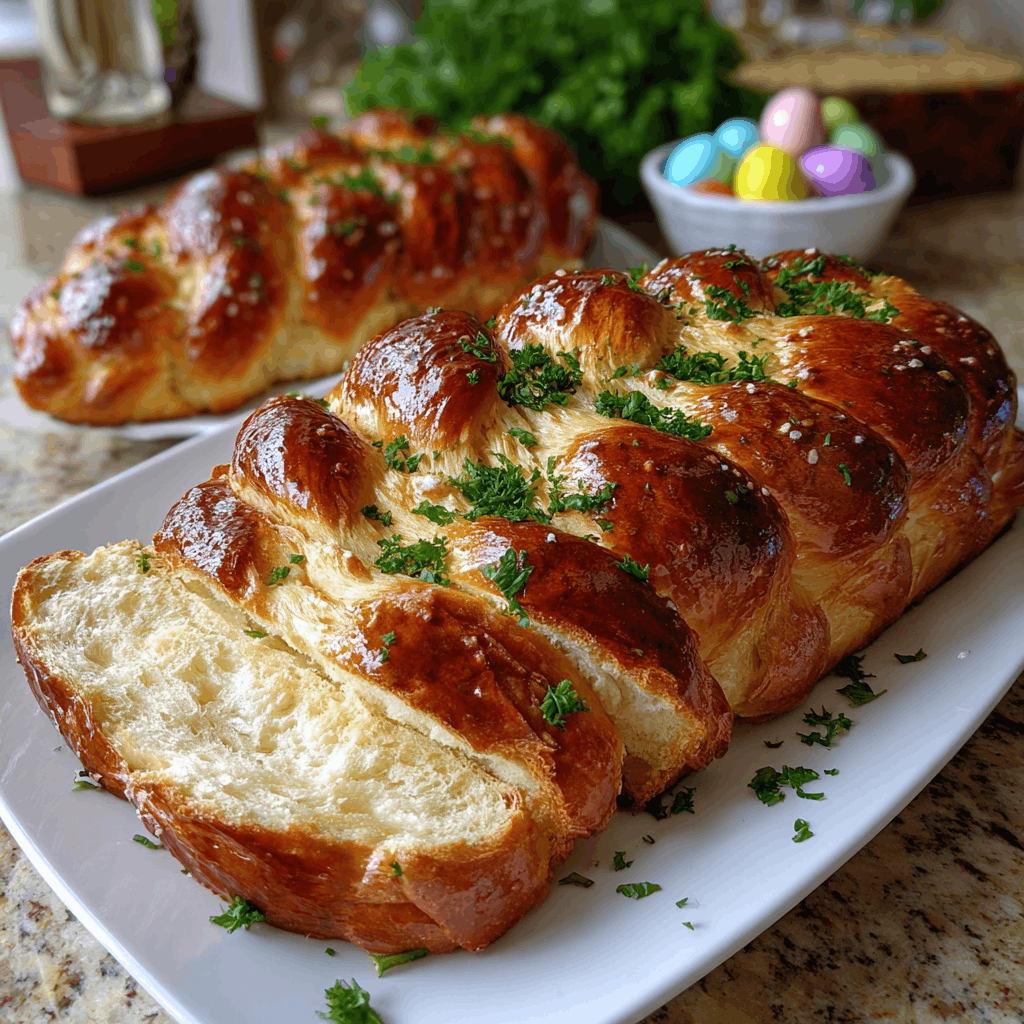
Introduction to Greek Easter Bread (Tsoureki)
As a passionate home cook, I find joy in sharing recipes that bring warmth and tradition to our tables. Greek Easter Bread, or Tsoureki, is one such recipe that fills my kitchen with delightful aromas and sweet memories. This beautiful braided bread is not just a treat for the taste buds; it’s a symbol of celebration and togetherness. Whether you’re a busy mom or a professional juggling a hectic schedule, this recipe is a quick solution to impress your loved ones during the Easter festivities. Let’s dive into this delicious tradition together!
Why You’ll Love This Greek Easter Bread (Tsoureki)
This Greek Easter Bread, or Tsoureki, is a delightful blend of ease and flavor. It’s perfect for busy days when you want to whip up something special without spending hours in the kitchen. The rich, sweet taste and beautiful braided shape make it a showstopper at any gathering. Plus, the aroma wafting through your home will have everyone eagerly awaiting a slice. Trust me, it’s a recipe you’ll cherish!
Ingredients for Greek Easter Bread (Tsoureki)
Gathering the right ingredients is the first step to creating your own Greek Easter Bread, or Tsoureki. Here’s what you’ll need:
- All-purpose flour: The backbone of this bread, providing structure and a soft texture.
- Milk: Adds moisture and richness, making the bread tender and flavorful.
- Sugar: Sweetens the dough, giving it that delightful taste we all love.
- Unsalted butter: Contributes to the bread’s richness and helps create a soft crumb.
- Eggs: Essential for binding the ingredients together and adding a lovely golden color.
- Active dry yeast: The magic ingredient that makes the bread rise and gives it a light texture.
- Salt: Enhances the flavors and balances the sweetness of the bread.
- Ground mahleb (optional): A unique spice that adds a hint of cherry and almond flavor, giving Tsoureki its traditional taste.
- Ground mastic (optional): Another aromatic spice that brings a distinct flavor, reminiscent of pine or cedar.
- Egg (for egg wash): Gives the bread a beautiful, shiny finish when brushed on before baking.
For exact measurements, check the bottom of the article where you can find everything listed for easy printing. Happy baking!
How to Make Greek Easter Bread (Tsoureki)
Now that we have our ingredients ready, let’s dive into the steps to create this delightful Greek Easter Bread, or Tsoureki. Each step is simple, and I promise you’ll feel like a pro in no time!
Step 1: Prepare the Yeast Mixture
Start by dissolving the active dry yeast in warm milk. Make sure the milk is warm, not hot, to keep the yeast happy. Let it sit for about 10 minutes until it becomes frothy. This bubbly mixture is the magic that will make your bread rise!
Step 2: Combine Dry Ingredients
In a large mixing bowl, combine the all-purpose flour, sugar, salt, and any optional spices like ground mahleb or mastic. Stir them together until well mixed. This blend is the foundation of your Tsoureki, so take a moment to enjoy the sweet aroma of the flour and sugar.
Step 3: Mix Wet Ingredients
In a separate bowl, whisk together the eggs and melted unsalted butter. This mixture adds richness and flavor to your dough. The golden color of the eggs will make your bread shine with beauty!
Step 4: Form the Dough
Now, it’s time to bring everything together! Add the yeast mixture and the egg mixture to the dry ingredients. Mix until a dough forms. It might be a bit sticky at first, but don’t worry; that’s perfectly normal!
Step 5: Knead the Dough
Transfer the dough to a floured surface and knead it for about 10 minutes. You want it to be smooth and elastic. Think of it as giving your dough a little workout! This step is crucial for developing that lovely texture.
Step 6: Let the Dough Rise
Place the kneaded dough in a greased bowl and cover it with a clean kitchen towel. Let it rise in a warm place for about 1-2 hours, or until it doubles in size. This is the perfect time to sip a cup of coffee and enjoy the anticipation!
Step 7: Braid the Dough
Once the dough has risen, punch it down gently to release the air. Divide it into three equal parts. Roll each part into a long rope and braid them together. This beautiful braid is what makes Tsoureki so special!
Step 8: Second Rise
Place the braided dough on a baking sheet lined with parchment paper. Cover it again and let it rise for another 30-45 minutes. This second rise will give your bread that fluffy texture we all love.
Step 9: Bake the Bread
Preheat your oven to 350°F (175°C). Brush the braided dough with a beaten egg for a shiny finish. Bake for 30-35 minutes, or until it turns a lovely golden brown. The aroma will fill your kitchen, making it hard to wait!
Step 10: Cool and Serve
Once baked, let the bread cool on a wire rack before serving. This step is important; it allows the flavors to settle. Slice it up and enjoy your homemade Greek Easter Bread, or Tsoureki, with family and friends!
Tips for Success
- Make sure your yeast is fresh for the best rise.
- Use warm milk, not hot, to activate the yeast without killing it.
- Don’t rush the rising times; patience is key for fluffy bread.
- Feel free to experiment with spices for a unique flavor.
- Store leftover Tsoureki in an airtight container to keep it fresh.
Equipment Needed
- Mixing bowls: A large bowl for mixing dough and a smaller one for the yeast mixture.
- Measuring cups and spoons: Essential for accurate ingredient measurements.
- Whisk: Perfect for blending wet ingredients; a fork works too!
- Baking sheet: Use a regular sheet or a pizza stone for baking.
- Parchment paper: Helps prevent sticking; aluminum foil can be a substitute.
Variations of Greek Easter Bread (Tsoureki)
- Chocolate Chip Tsoureki: Add semi-sweet chocolate chips to the dough for a sweet twist that kids will love.
- Nutty Delight: Incorporate chopped walnuts or almonds into the dough for added crunch and flavor.
- Orange Zest: For a refreshing citrus flavor, mix in some grated orange zest to the dough.
- Gluten-Free Option: Substitute all-purpose flour with a gluten-free flour blend for a gluten-free Tsoureki.
- Herb-Infused Tsoureki: Experiment with adding dried herbs like rosemary or thyme for a savory version.
Serving Suggestions for Greek Easter Bread (Tsoureki)
- Pair Tsoureki with a steaming cup of coffee or tea for a delightful breakfast or snack.
- Serve it alongside a fresh fruit salad for a colorful and refreshing contrast.
- For a festive touch, dust the bread with powdered sugar before serving.
- Enjoy it with a spread of butter or jam for added flavor.
- Present it on a beautiful platter, garnished with fresh flowers for a stunning centerpiece.
FAQs about Greek Easter Bread (Tsoureki)
As you embark on your journey to make Greek Easter Bread, or Tsoureki, you might have a few questions. Here are some common queries that can help guide you along the way!
Can I make Tsoureki ahead of time?
Absolutely! You can prepare the dough a day in advance and let it rise in the refrigerator overnight. Just remember to bring it back to room temperature before braiding and baking.
What can I do if my dough doesn’t rise?
If your dough isn’t rising, it could be due to inactive yeast. Make sure your yeast is fresh and that the milk was warm, not hot. If all else fails, you can try placing the dough in a warmer spot to encourage rising.
How should I store leftover Tsoureki?
Store any leftover Greek Easter Bread in an airtight container at room temperature. It should stay fresh for several days. You can also freeze it for longer storage; just make sure to wrap it well!
Can I customize the flavors in Tsoureki?
Definitely! Feel free to experiment with spices like cinnamon or nutmeg, or add ingredients like chocolate chips or nuts. This bread is versatile, and you can make it your own!
Is Tsoureki suitable for vegetarians?
Yes, Greek Easter Bread is vegetarian-friendly! It contains eggs and dairy, but no meat or fish, making it a delightful option for those following a vegetarian diet.
Final Thoughts
Making Greek Easter Bread, or Tsoureki, is more than just baking; it’s about creating memories and sharing joy with loved ones. The process, from kneading the dough to watching it rise, is a beautiful reminder of the simple pleasures in life. Each slice of this sweet, braided bread carries the warmth of tradition and the love of home cooking. Whether you enjoy it fresh from the oven or as part of a festive gathering, Tsoureki is sure to bring smiles and satisfaction. So, roll up your sleeves and embrace the joy of baking this delightful treat!
Print
Greek Easter Bread (Tsoureki) is a Delicious Tradition!
- Total Time: 2 hours 30 minutes
- Yield: 1 loaf 1x
- Diet: Vegetarian
Description
Greek Easter Bread, also known as Tsoureki, is a traditional sweet bread that is often enjoyed during the Easter celebrations in Greece. It is known for its rich flavor and beautiful braided shape.
Ingredients
- 4 cups all-purpose flour
- 1 cup milk
- 1/2 cup sugar
- 1/2 cup unsalted butter
- 3 large eggs
- 1 packet active dry yeast
- 1/2 teaspoon salt
- 1 teaspoon ground mahleb (optional)
- 1 teaspoon ground mastic (optional)
- 1 egg (for egg wash)
Instructions
- In a small bowl, dissolve the yeast in warm milk and let it sit for about 10 minutes until frothy.
- In a large mixing bowl, combine flour, sugar, salt, and optional spices (mahleb and mastic).
- In another bowl, whisk together the eggs and melted butter.
- Add the yeast mixture and egg mixture to the dry ingredients and mix until a dough forms.
- Knead the dough on a floured surface for about 10 minutes until smooth and elastic.
- Place the dough in a greased bowl, cover it, and let it rise in a warm place for about 1-2 hours or until doubled in size.
- Once risen, punch down the dough and divide it into three equal parts.
- Roll each part into a long rope and braid them together.
- Place the braided dough on a baking sheet lined with parchment paper.
- Cover and let it rise again for about 30-45 minutes.
- Preheat the oven to 350°F (175°C).
- Brush the dough with beaten egg for a shiny finish.
- Bake for 30-35 minutes or until golden brown.
- Let it cool before serving.
Notes
- For a more traditional flavor, consider adding orange zest to the dough.
- Tsoureki can be stored in an airtight container for several days.
- It is often enjoyed with a cup of coffee or tea.
- Prep Time: 30 minutes
- Cook Time: 35 minutes
- Category: Bread
- Method: Baking
- Cuisine: Greek
Nutrition
- Serving Size: 1 slice
- Calories: 250
- Sugar: 8g
- Sodium: 150mg
- Fat: 10g
- Saturated Fat: 5g
- Unsaturated Fat: 3g
- Trans Fat: 0g
- Carbohydrates: 35g
- Fiber: 1g
- Protein: 6g
- Cholesterol: 50mg
Keywords: Greek Easter Bread, Tsoureki, traditional Greek bread, Easter recipes